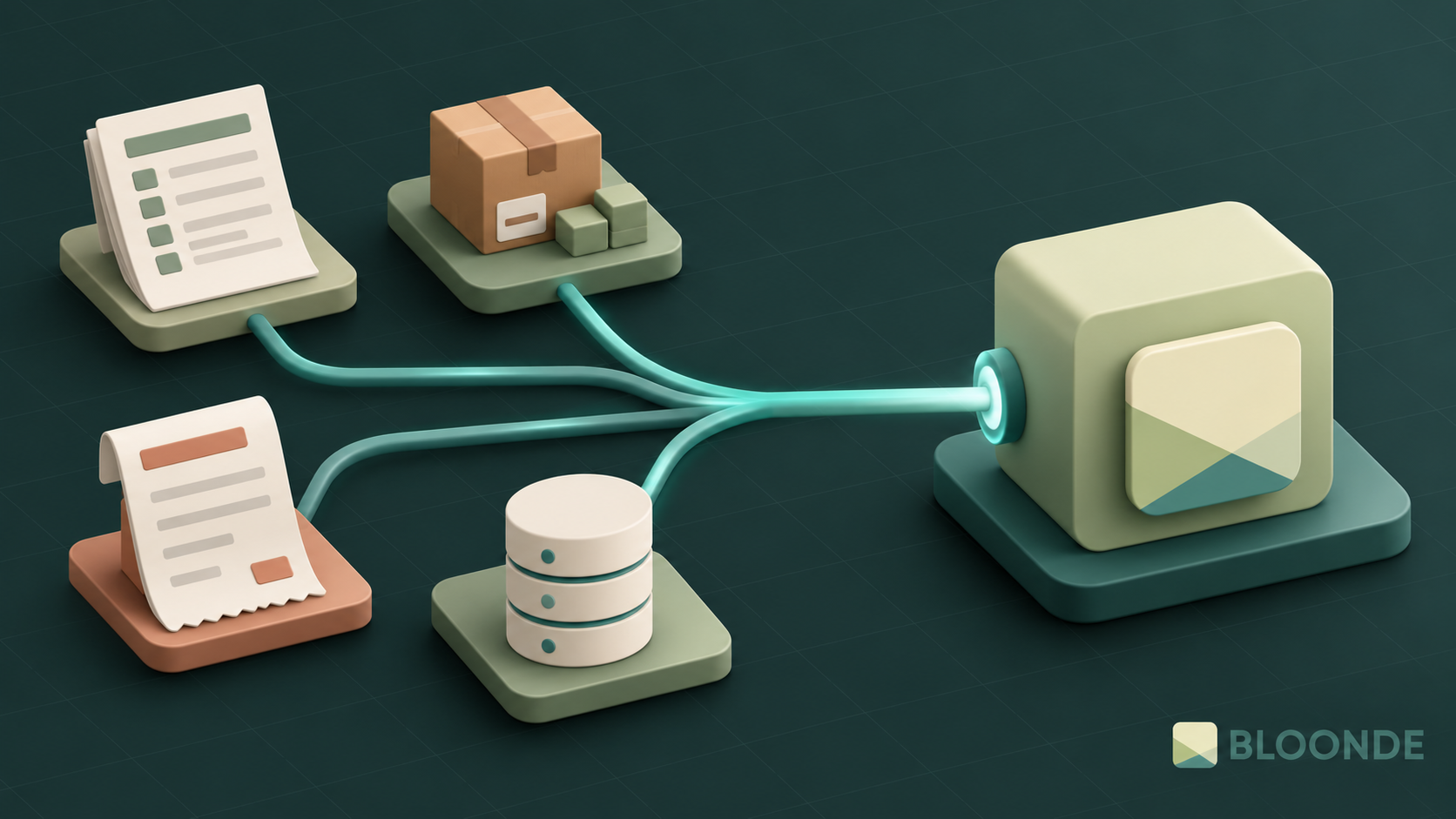
SMEs face constant pressure: manual workflows, avoidable errors, slow decisions and limited capacity for strategic thinking. AI automation turns repetitive workload into reliable, scalable processes— unlocking time, accuracy and growth.
Why AI automation is now an SME opportunity
Modern, modular AI tooling makes intelligent automation accessible— not just for enterprise. It helps you:
- Reduce operational friction & hidden rework costs
- Free staff for higher‑value tasks
- Improve customer experience & response windows
- Base decisions on real data instead of instinct
- Scale in phases with contained investment
What is AI automation?
It combines ML, computer vision, NLP and decision logic to execute repetitive tasks, spot anomalies and optimise flows in (near) real time.
Traditional automation: static scripts; no learning; rigid behaviour. AI automation: adaptive, pattern‑aware, improves output quality over time.
Practical functions across departments
- Demand forecasting & inventory optimization
- Automated stock control & replenishment alerts
- Vision inspection for product quality
- Conversational AI (chatbots / virtual assistants)
- Intelligent billing, reconciliation & anomaly detection
- Real‑time, auto‑generated performance dashboards
Common pain points it solves
- Slow, manual administrative cycles
- Recurrent human errors (billing, data entry, support)
- Team burnout from low‑value repetition
- Little room for innovation or strategic planning
- Reactive—not proactive—decision making
Core benefits
- Productivity multiplier – reclaim hours for innovation & service.
- Error reduction – consistency in finance, inventory & reporting.
- Always‑on service – chatbots + workflow triggers for 24/7 coverage.
- Better decisions – predictive & real‑time analytics.
- Scalable growth – start small; expand domains iteratively.
Sector use cases (samples)
Retail: dynamic pricing, stock prediction, abandoned cart recovery. Services: automated scheduling, contract/document generation. Logistics: route optimization, live tracking, warehouse validation. Finance/Accounting: invoice parsing, payment reconciliation, fraud signals.
Real impact examples
- Retail SME: 30% cost reduction + 20% availability uplift via demand prediction.
- Professional services: 40% faster response & +25% satisfaction with AI scheduling bot.
- Mid‑size finance: 50% reduction in admin time through automated billing & reports.
- Logistics SME: –15% kilometres, –35% late deliveries with route optimization.
Implementation roadmap
- Free diagnostic – map processes & opportunity zones.
- Automatable task selection – prioritise high‑impact repetitive work.
- Pilot build – focused low‑risk real scenario (e.g. invoice flow, ticket triage).
- Training & adoption – empower staff; reduce resistance.
- Progressive scaling – extend to adjacent processes at your pace.
FAQ (brief)
- What can be automated? Comms, billing, inventory, support, scheduling, fraud detection, reporting.
- Is it expensive? Modular pilots often start <€5K with fast ROI.
- Need internal devs? No— we implement & train.
- Lose human touch? No— AI augments; humans handle exceptions & strategy.
- Time to see value? Weeks for admin & support domains.
- Is it secure? Yes— solutions aligned with data protection & access control norms.
Checklist: do you need AI automation?
If you tick multiple: repetitive manual work, recurring admin errors, slow customer replies, lack of real‑time data, constant firefighting— it’s time to start.
Conclusion
AI automation is no longer future hype— it’s a proven, accessible accelerator for SMEs. It reduces risk, amplifies capacity and strengthens customer retention.
Ready to reclaim time and scale smart? Request your free AI diagnostic today.
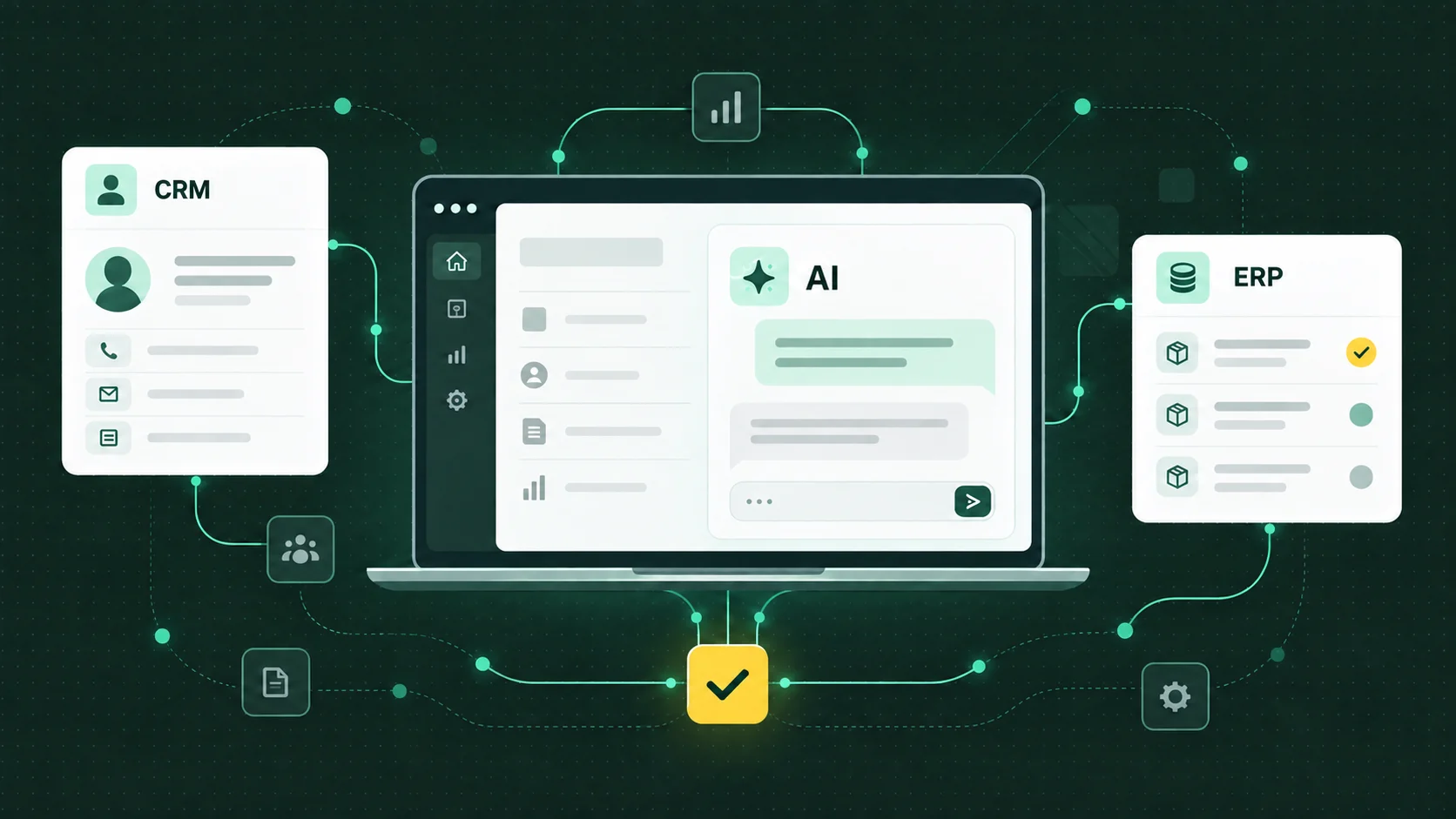
How to integrate AI into your business with Bloonde

How a chatbot can transform your business